
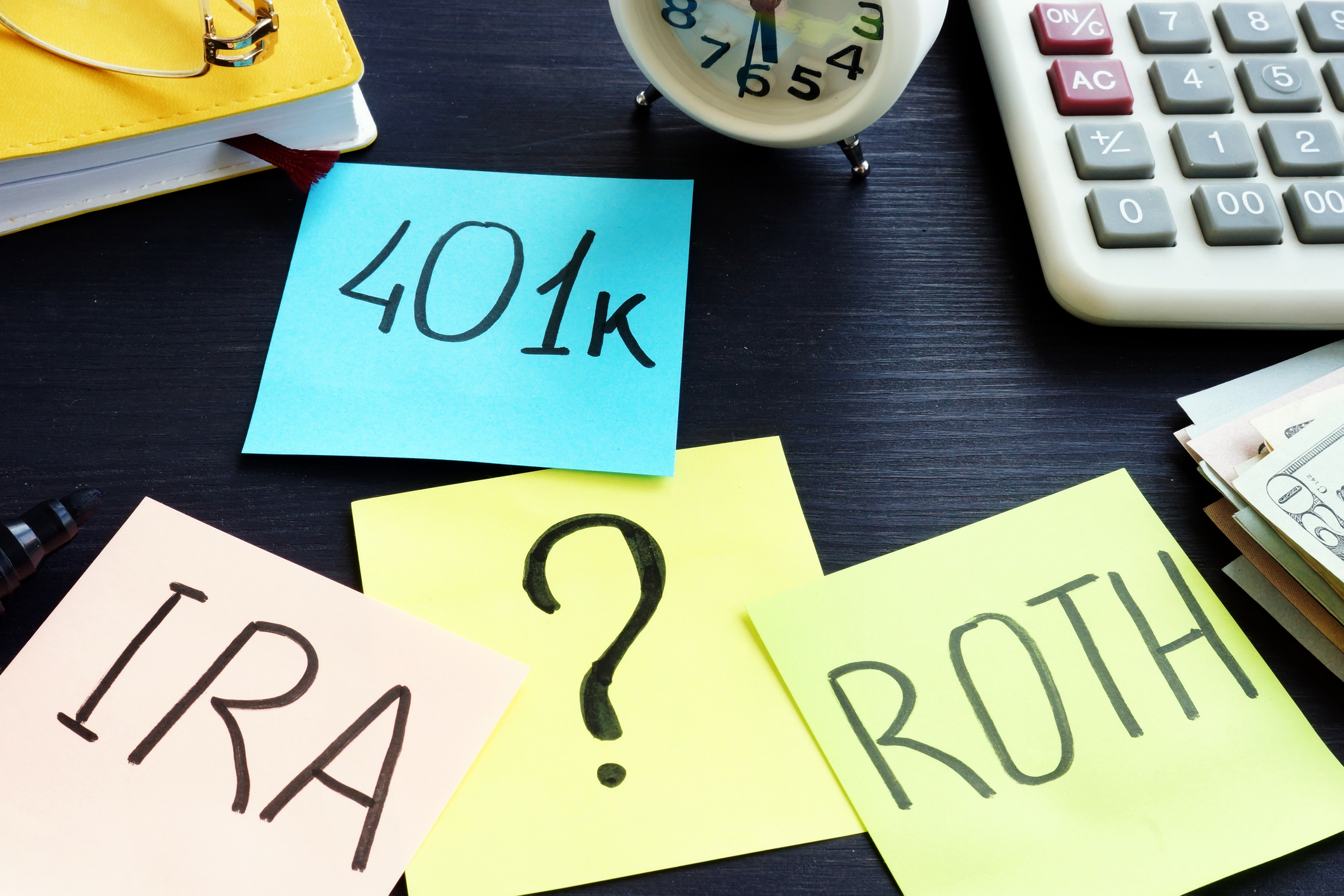
When couples think about dividing assets in a divorce, the family home often gets the most attention. But for many California families, retirement accounts represent an equally significant — and far more complicated — piece of the financial picture. 401(k)s, pensions, IRAs, and other retirement savings accumulated during a marriage are subject to division under California’s community property laws, and handling them incorrectly can result in costly tax penalties, lost benefits, or legal disputes years down the road.
Community Property and Retirement Savings
California is a community property state, which means that most assets acquired during the marriage are owned equally by both spouses. Retirement accounts are no exception. The portion of any retirement account that was earned or contributed to during the marriage is generally considered community property and subject to a 50/50 split — regardless of whose name is on the account.
Contributions made before the marriage or after the date of separation are typically considered separate property and remain with the account holder. When an account contains both separate and community property portions, a careful tracing analysis is often necessary to determine what each spouse is actually entitled to.
What Is a QDRO and Why Does It Matter?
Dividing a retirement account is not as straightforward as transferring money from one bank account to another. For employer-sponsored plans such as 401(k)s and pensions, a specific court order called a Qualified Domestic Relations Order — commonly referred to as a QDRO — is required to divide the account without triggering taxes or early withdrawal penalties.
A QDRO instructs the retirement plan administrator to create a separate account for the non-employee spouse or to assign them a defined share of the benefits. Without a properly drafted and approved QDRO, the plan administrator is not legally authorized to transfer any portion of the account to the other spouse, even if the divorce decree says otherwise.
Errors in a QDRO can be expensive and difficult to correct. Plans have their own specific requirements, and a QDRO that is rejected by a plan administrator due to technical deficiencies can delay distribution for months. Working with an attorney experienced in retirement asset division is essential to getting this step right.
IRAs Are Handled Differently
Individual Retirement Accounts are not subject to QDRO requirements, but they still require careful handling. The division of an IRA in divorce must be completed as a transfer incident to divorce, following IRS rules precisely. Failing to follow the correct procedure can result in the account holder being treated as having made a taxable withdrawal — a costly mistake that proper legal guidance can prevent.
Pensions Add Another Layer of Complexity
Defined benefit pension plans — common among teachers, government employees, and certain union workers — can be particularly complex to divide because the ultimate payout depends on factors such as years of service, final salary, and retirement age. Valuing and dividing a pension often requires the assistance of a financial expert in addition to a family law attorney.
Protecting Your Financial Future
Retirement accounts are often the result of decades of work and careful saving. Ensuring they are divided fairly and correctly in a divorce requires both legal knowledge and close attention to detail. Whether you are the account holder or the spouse seeking your share, the decisions made during this process can have significant implications for your long-term financial security.
Law Office of Michael L. Fell has the experience to guide you through retirement asset division from valuation to final order. Contact us today at 949-585-9055 to schedule your consultation and make sure your financial future is protected.